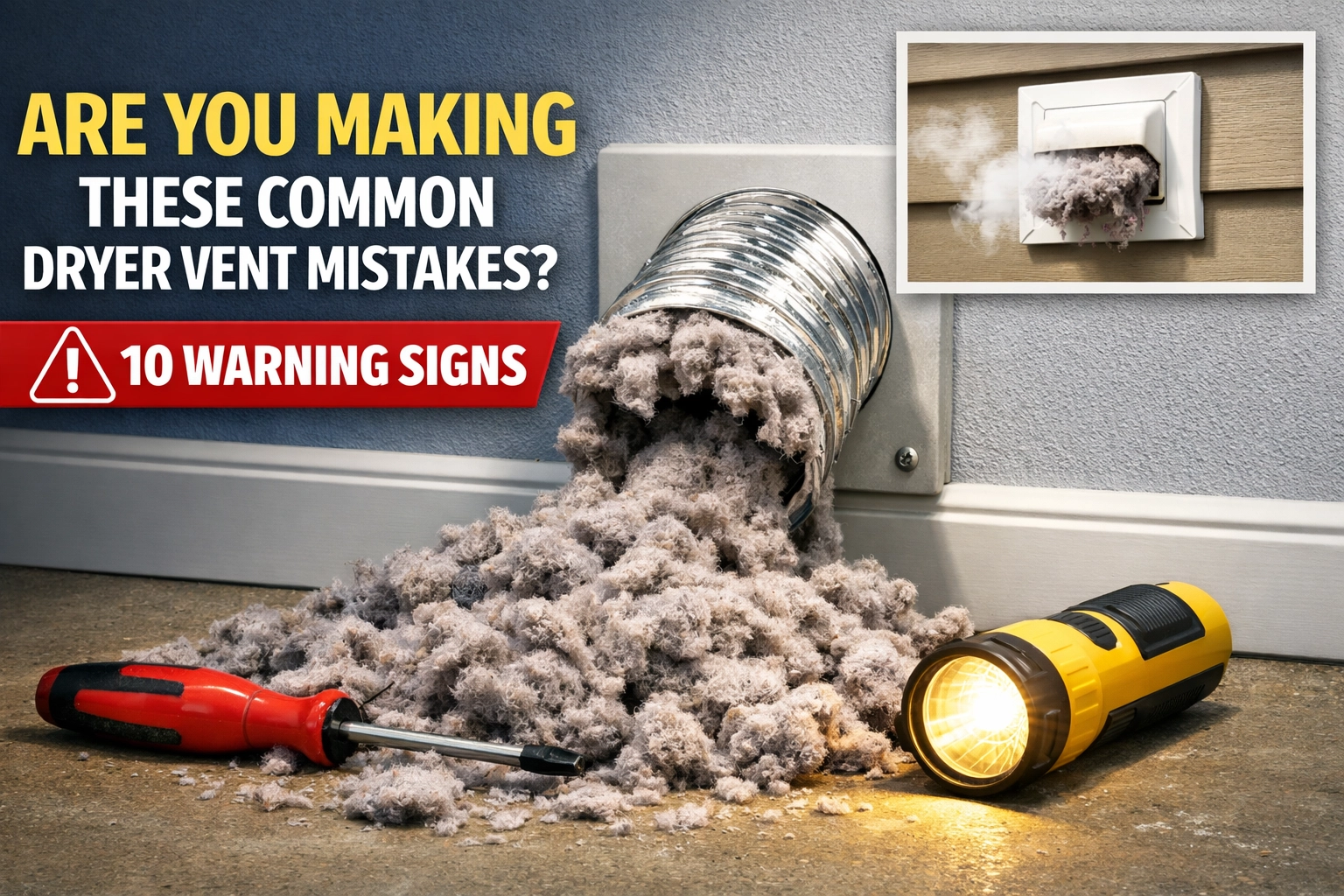
Did you know that according to the National Fire Protection Association (NFPA), nearly 16,000 home fires are caused by clothes dryers every year? The leading cause of these fires isn't a mechanical failure or an electrical short: it is the simple failure to clean the dryer vent.
At LServices, we see it every day: homeowners in Atlanta, Buckhead, and Marietta who diligently clean their lint filters but completely overlook the six to twenty feet of ductwork hidden behind their walls. This neglect doesn't just increase your energy bills; it puts your home and family at significant risk.
If you have been searching for "dryer vent cleaning near me," you likely already suspect something is wrong. In this expert guide, we will break down the most common mistakes homeowners make and the 10 critical warning signs that your system is a ticking time bomb.
The Most Common Dryer Vent Mistakes Homeowners Make
Many homeowners believe that as long as the dryer is spinning and the clothes eventually get dry, the system is working fine. Unfortunately, several common practices actually accelerate lint buildup and create hazardous conditions.
1. Relying Solely on the Lint Screen
The mesh screen inside your dryer only catches about 25% to 30% of the lint produced during a cycle. The rest: the fine, "fuzzy build-up": travels into the internal blower wheel and out through the vent pipe. If you aren't investing in professional duct cleaning once a year, that lint is accumulating in thick layers inside your walls.
2. Using Flexible Foil or Plastic Ducting
If your dryer is connected to the wall with a "slinky-style" plastic or thin foil hose, you are making a dangerous mistake. These materials are highly flammable and their ribbed interior creates "speed bumps" where lint easily snags and builds up. Industry standards now require rigid or semi-rigid metal ducting to ensure smooth airflow and fire containment.
3. Pushing the Dryer Too Close to the Wall
In an effort to save space in a small laundry room, many people push their dryer flush against the back wall. This often crushes or kinks the transition hose. A restricted hose acts like a kinked garden hose, causing the dryer to overheat and trapping lint in the bends.
4. Improper Exterior Vent Covers
The vent on the outside of your home should have a flap or "louvers" that open only when the dryer is running. Many homeowners install screens over these vents to keep out birds or rodents. However, these screens quickly become clogged with "yellow dust" and lint, completely sealing off the exhaust path.
10 Warning Signs Your Dryer Vent Needs Immediate Attention
How do you know if your system is failing? Your dryer provides several subtle: and some not-so-subtle: cues. Ignoring these signs can lead to a burnt-out heating element or, worse, a structure fire.
1. Drying Times Exceeding 45-60 Minutes
This is the most common red flag. If a standard load of towels takes two or even three cycles to dry, your vent is likely restricted. The moisture cannot escape, leaving your clothes in a "steam bath."
2. A Pungent Burning Smell
If you notice a scorched or "hot" odor while the dryer is running, stop the machine immediately. This indicates that lint has accumulated near the heating element and is beginning to singe. This is the final warning before a fire starts.
3. Clothes are Excessively Hot to the Touch
When airflow is restricted, the dryer’s internal temperature skyrockets. If your clothes feel "painfully hot" when you pull them out, or if the metal buttons are scorching your fingers, your thermal fuse is likely working overtime to prevent a meltdown.
4. The Exterior Vent Flap Doesn't Open
Take a walk outside while your dryer is running. If the louvers on the exit vent are hanging limp or barely moving, the air isn't reaching the exit. This is a clear indicator of a heavy blockage somewhere in the line.
5. Excessive Lint Behind the Dryer
Do you see "tumbleweeds" of lint on the floor behind your appliance? This suggests that the back-pressure from a clogged vent is so high that the air is forcing lint out of the connection points and into your laundry room.
6. The Laundry Room is Sweltering and Humid
A properly functioning vent sends all heat and moisture outdoors. If your laundry room feels like a sauna every time you do a load, you likely have a disconnected or leaking vent pipe inside the wall.
7. Moldy or Musty Odors
When wet lint sits in a dark, warm vent pipe, it becomes a breeding ground for mold. If your "freshly washed" clothes come out smelling damp or earthy, your vent system needs a deep vent cleaning.
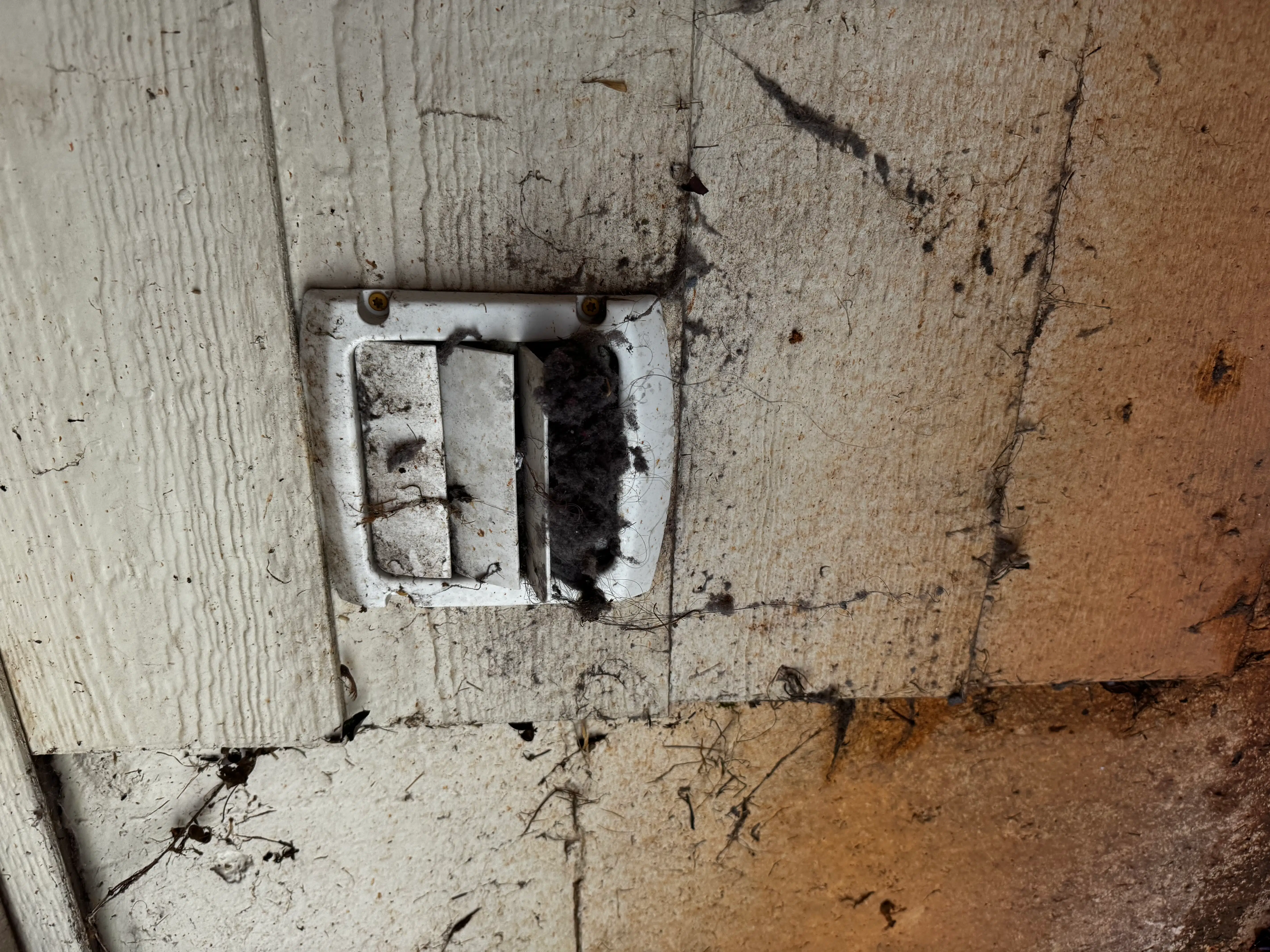
8. Debris Visible on the Outside of the House
If you see lint sticking to the siding around your vent or accumulating on the ground below it, your system is working too hard to push air through a narrowed passage.
9. It Has Been More Than 12 Months Since Your Last Service
Maintenance is not a luxury; it is a necessity. Even in a two-person household, lint builds up significantly over a year. In larger families or households with pets, we recommend cleaning every six months.
10. Large Amounts of Lint on Clothing
If your clothes are coming out covered in fuzz despite you cleaning the lint trap, the internal cabinet of the dryer is likely full of debris that is circulating back into the drum.
| Warning Sign | Severity Level | Recommended Action |
|---|---|---|
| Burning Smell | Critical | Shut off dryer and call a professional immediately. |
| Long Drying Times | High | Schedule cleaning within 7 days. |
| Hot/Humid Room | High | Inspect for disconnected or crushed pipes. |
| Musty Odors | Medium | Professional sanitization and cleaning needed. |
| Visible Exterior Lint | Medium | Standard maintenance required. |
Why Professional Vent Cleaning Matters
You might be tempted to buy a DIY brush kit from a hardware store. While these can work for short, straight runs, they often cause more harm than good in complex systems. We frequently see DIY brushes get stuck or snap off inside the wall, leading to expensive repairs.
As experts in HVAC Services, LServices uses high-pressure compressed air and industrial-grade vacuum systems to ensure the entire length of the duct: including the hard-to-reach elbows: is completely clear. This process doesn't just improve safety; it saves you money. A clear vent can reduce your drying time by 50%, significantly lowering your monthly utility bills and extending the life of your dryer.
Local Expertise You Can Trust
Whether you are in Alpharetta, Decatur, or Smyrna, LServices provides specialized dryer vent cleaning services tailored to the unique construction of Georgia homes. From multi-story venting systems in Buckhead to complex terrace-level laundry rooms in Milton, we have the tools to handle it all.
If you found this article by searching “dryer vent cleaning near me,” use the checklist below to get the most out of your visit and help us complete a safe, thorough vent cleaning without delays.
How to Prepare for Your Dryer Vent Cleaning Appointment (Quick Checklist)
Before we arrive, take 5–10 minutes to do the following:
- Clear access to the dryer: Create a 3–4 foot workspace in front of and around the appliance.
- Remove items from the top of the dryer: Laundry baskets, detergents, shelving items, and décor can get in the way of moving the unit safely.
- Secure pets: Keep pets in a separate room so doors can be opened and equipment can be brought in/out safely.
- Know where the exterior vent exits: If you can, identify the outside termination (side wall or roof line) so we can confirm airflow before and after service.
- Tell us about recent issues: Longer dry times, burning smells, “hot” loads, or a recent dryer replacement are all important clues.
- Plan for a short test run: We may briefly run the dryer to confirm airflow and verify results after professional duct cleaning of the vent line.
Want to book now? Use our Contact Us page and we’ll help you choose the right service window.
Frequently Asked Questions
Q: Can I just vacuum out the back of the dryer?
A: Vacuuming the transition hose is a great start, but it doesn't reach the vertical or horizontal runs inside your walls where the most dangerous clogs occur.
Q: Does a new dryer need its vents cleaned?
A: Absolutely. A new, high-efficiency dryer often has more powerful blowers that can push old, loosened lint further into the pipe, causing a sudden blockage.
Q: How long does a professional cleaning take?
A: A standard residential air duct cleaning and dryer vent service usually takes between 45 and 90 minutes, depending on the length of the run.
Take Action Before the Lint Piles Up
Don't wait for a burning smell to remind you of your home's maintenance needs. A clogged dryer vent is a silent hazard that impacts your safety, your wallet, and your appliance's lifespan.
At LServices, we pride ourselves on transparency, professionalism, and thoroughness. We don't just "brush and go": we inspect the entire system to ensure your home is safe and efficient.
Ready to get this handled?
- Learn more about our full dryer vent cleaning services in Atlanta (pricing, what’s included, and what to expect)
- Or contact us to request a free estimate and schedule service
We serve the entire metro Atlanta area, including Sandy Springs, Roswell, and Woodstock.
Visit our Service Areas page to confirm coverage and book your appointment.