Did you know that the average six-room house collects approximately 40 pounds of dust, allergens, and chemicals in its air ducts every year? While you might be diligent about vacuuming your carpets or dusting your shelves, there is a massive respiratory hazard lurking just behind your vent covers.
Maintaining indoor air quality duct cleaning isn't just about aesthetics; it’s a critical component of home health and HVAC efficiency. However, in our years of experience at LServices, we’ve seen well-meaning homeowners: and even some uncertified contractors: make critical errors that actually make their air quality worse.
If you are concerned about "musty" odors, "fuzzy" build-up on your vents, or why your family’s allergies seem to flare up the moment the AC kicks on, you might be making one of these common mistakes. Let’s dive into the professional reality of air duct cleaning and how to avoid the pitfalls that compromise your home’s environment.
Mistake #1: The "Out of Sight, Out of Mind" Approach
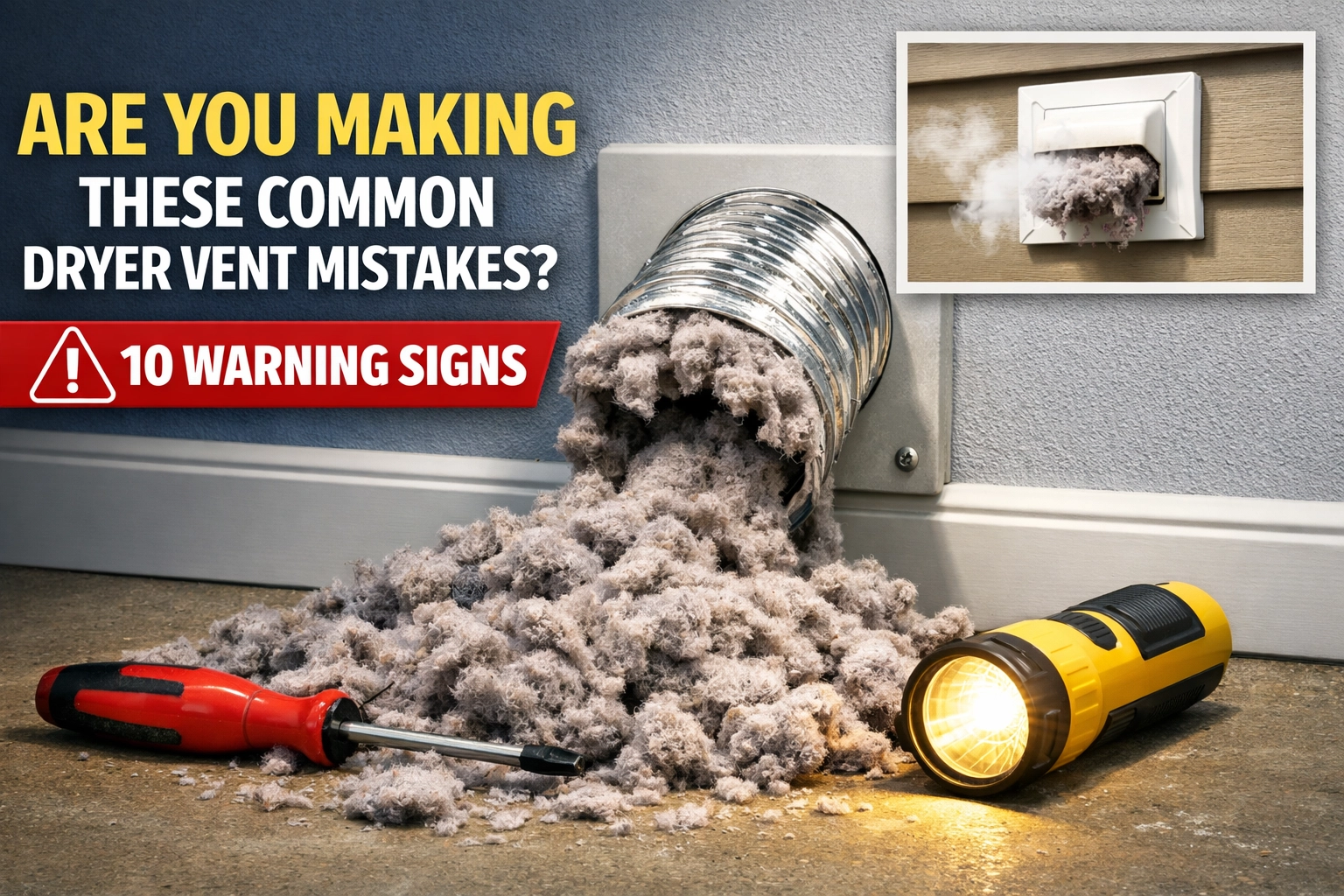
The most common mistake is simply forgetting that your ductwork exists until a problem becomes undeniable. Many homeowners wait until they see thick layers of grey debris or yellow dust puffing out of the registers. By that point, your HVAC system is already under significant strain.
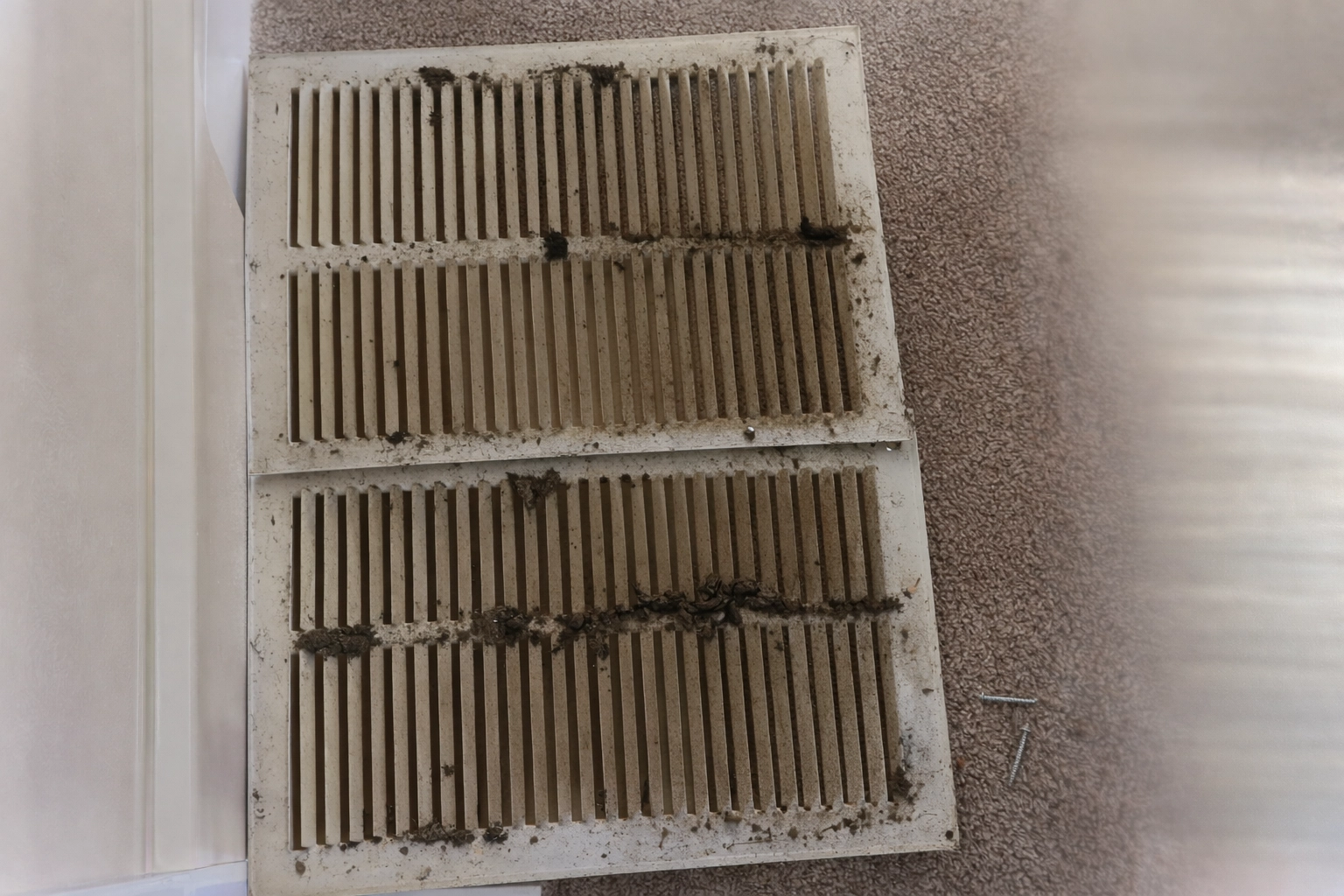
In regions like Atlanta and Buckhead, high humidity levels can turn simple dust into a breeding ground for biological growth. If you aren't inspecting your system regularly, you might miss the hidden health hazards that accumulate in the dark, damp corners of your ventilation.
The Expert Advice: Don't wait for a breakdown. A professional inspection can determine the right frequency for your specific home. Factors like pets, recent renovations, or local pollen counts in Johns Creek can all change your "recommended" schedule.
Mistake #2: Attempting the "Shop-Vac" DIY Method
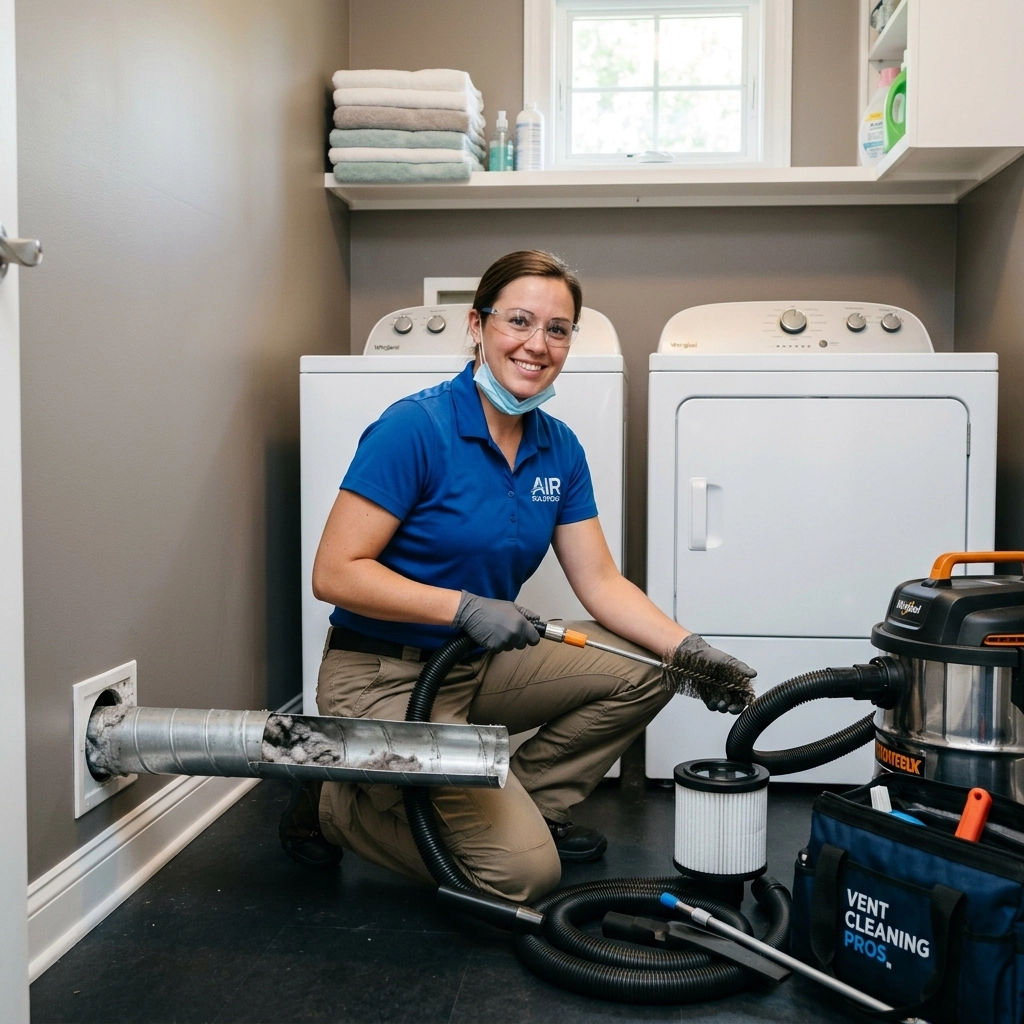
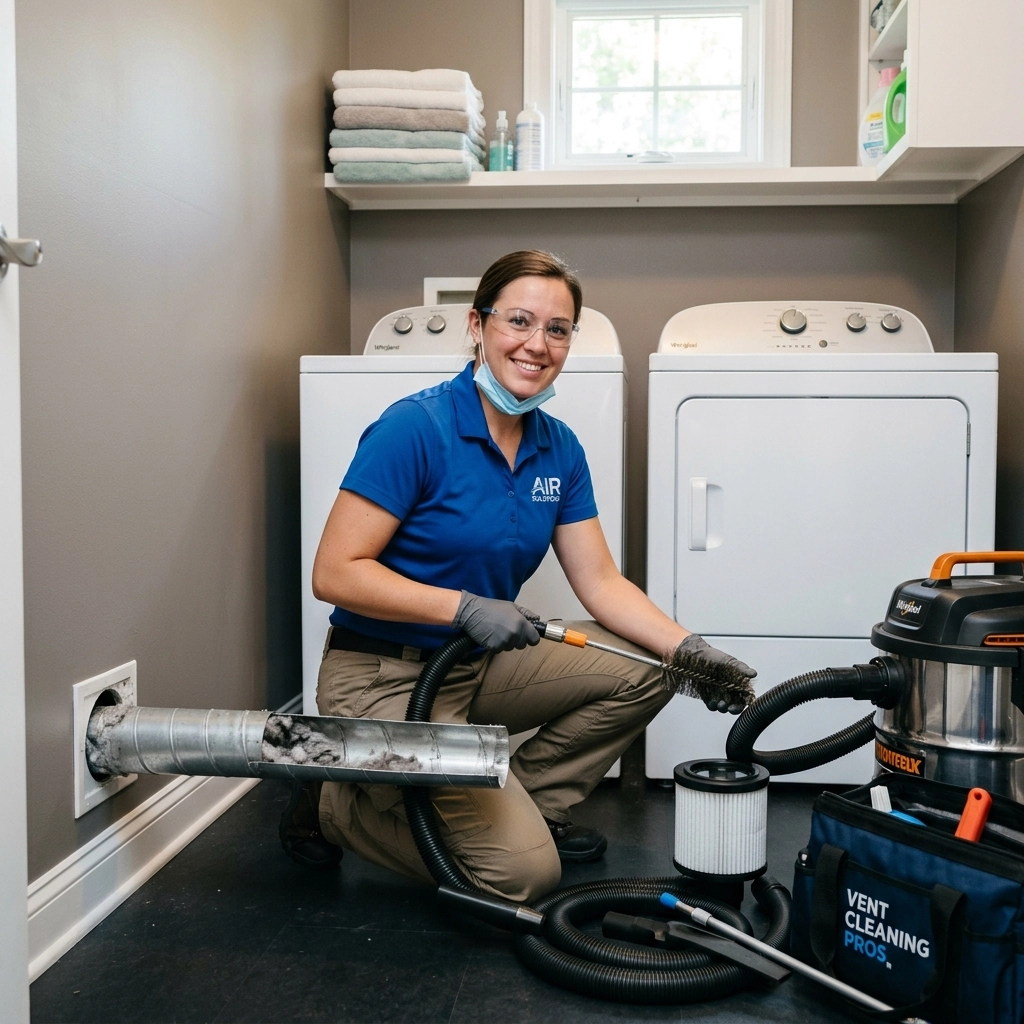
It’s a common scene: a homeowner pulls off a vent cover and tries to stick a household vacuum hose as far down the duct as it will reach. While this might remove some surface-level "fuzz," it is fundamentally ineffective for professional duct cleaning.
Without negative pressure, you are essentially just stirring up settled contaminants. Professional-grade contained vacuums create a vacuum seal on the system, ensuring that once dust is agitated, it is pulled directly out of the home and into a filtration unit. Without this, the dust you "disturb" simply floats further into the system or settles back into your living spaces.
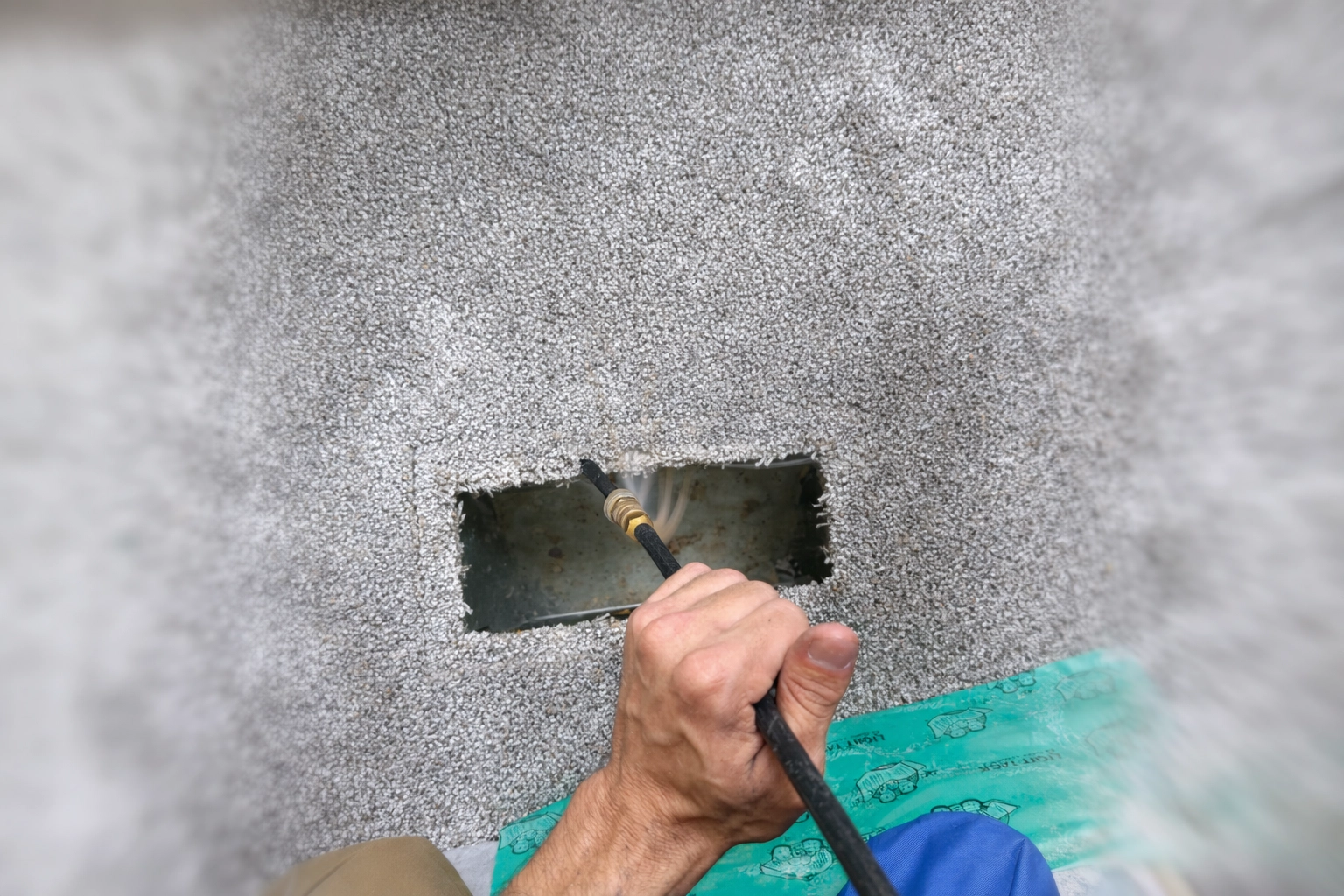
The Expert Advice: DIY cleaning often misses the heavy debris lodged in elbows and junctions. Furthermore, without proper training, you risk damaging insulated ductwork, which can release harmful fiberglass particles into your air.
Mistake #3: Cleaning the Ducts but Ignoring the HVAC System
This is perhaps the biggest "rookie" mistake in the industry. Indoor air quality duct cleaning is a waste of time if you don't clean the actual machinery that moves the air.
Think of your HVAC system like a circulatory system. The ducts are the veins, but the air handler and blower motor are the heart. If you clean the "veins" but leave the "heart" covered in grime, the moment you turn the system back on, the dirty blower motor will blow a fresh coat of contaminants right back into your clean ducts.
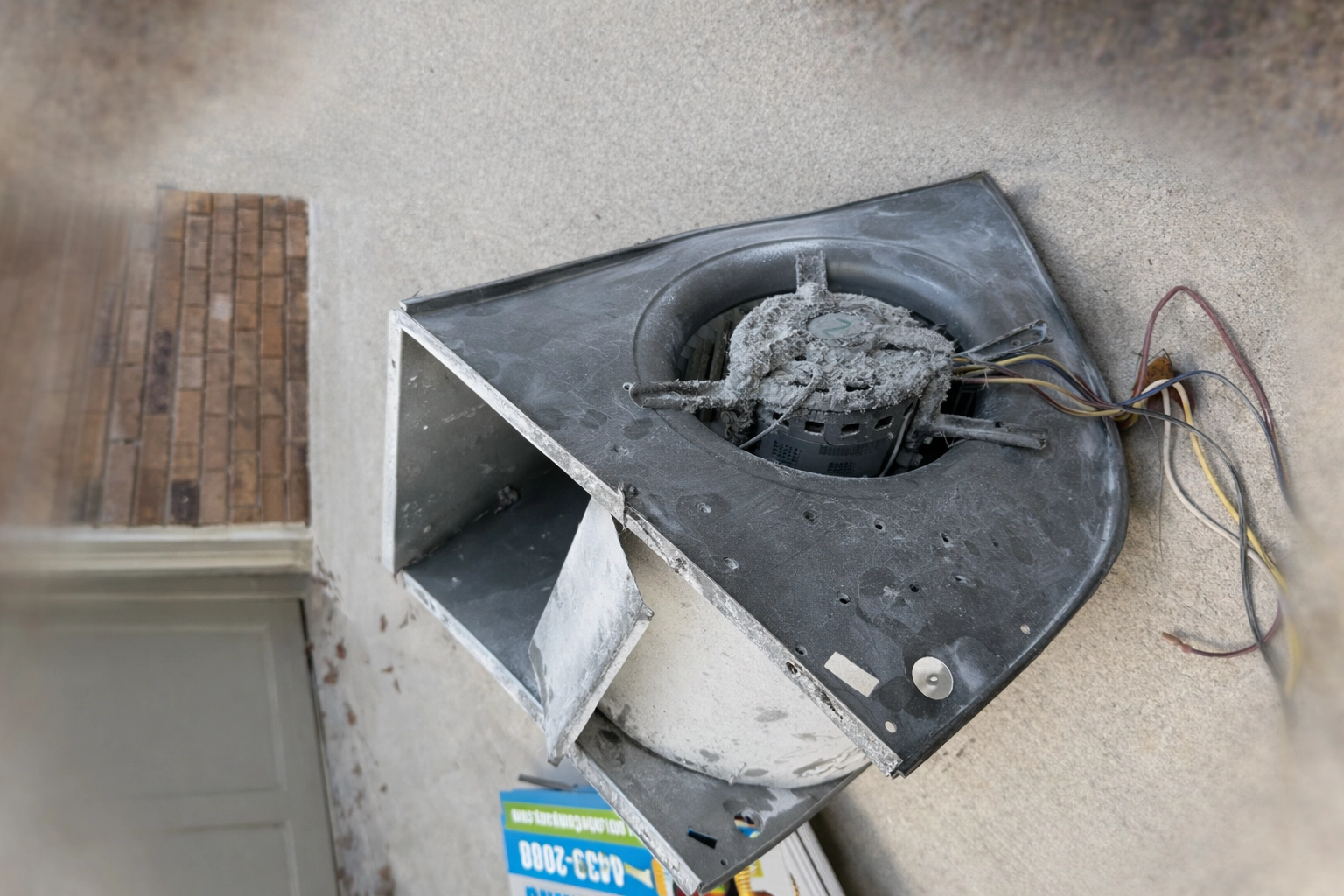
The Expert Advice: A truly professional duct cleaning service must include:
- The Blower Motor and Housing
- The Evaporator Coil
- The Drain Pan
- The Air Handler Cabinet
If a contractor only offers to "brush the vents," they aren't providing a professional service; they are providing a cosmetic one.
Mistake #4: Falling for the "Chemical Quick Fix"
When homeowners smell something "off," they often reach for harsh chemical sprays or "encapsulants" to kill odors. Using harsh chemicals inside your ductwork is a major mistake that can pollute your indoor air for weeks. Many of these chemicals are not EPA-approved for use in HVAC systems and can cause respiratory irritation or even damage the structural integrity of your ducts.
The Expert Advice: At LServices, we believe in physical removal over chemical masking. If there is a smell, there is a source (usually mold, bacteria, or dead pests). Removing the source is the only way to ensure long-term indoor air quality. If a sanitizer is necessary, it must be an environmentally safe, mild cleaner designed specifically for HVAC use.
Mistake #5: Believing in "Lifetime" Filters
Many people invest in expensive "lifetime" filters, thinking they will never need to worry about air duct cleaning again. While high-quality filters are excellent at trapping smaller particles, they are not a silver bullet.
In fact, if these filters aren't cleaned or replaced properly, they can actually restrict airflow, causing your system to work harder and pull air (and dust) through unsealed gaps in your ductwork. This bypasses the filter entirely and deposits dirt directly into your system.
The Reality Check: Professional vs. Amateur Cleaning
| Feature | Amateur/Bargain Method | LServices Professional Method |
|---|---|---|
| Equipment | Standard vacuum / Hand brushes | High-powered Negative Pressure Vacuums |
| Scope | Only reachable vents | Entire system (Handler to Registers) |
| Air Quality | Often redistributes dust | HEPA-filtered containment |
| Certification | Often uncertified/uninsured | Trained and Certified Technicians |
| Outcome | Temporary relief | Long-term IAQ Improvement |
Local Factors: Why Georgia Residents Need to Be Extra Careful
Whether you are in Smyrna, Decatur, or Roswell, our local climate plays a huge role in your air quality. The high humidity in the South means that dust in your ducts isn't just "dry dirt": it often becomes a damp sludge that can host mold spores.
Standard national advice might say to clean every 5 years, but for those living in high-pollen areas like Milton or Kennesaw, you may need an inspection much sooner. You can learn more about how often you should clean your air ducts in Georgia on our dedicated guide.
Frequently Asked Questions
1. Will duct cleaning make my house less dusty?
Yes. By removing the "reservoir" of dust inside your ventilation system, you prevent that dust from being recirculated every time the fan turns on. Most homeowners notice a significant reduction in surface dust on furniture after a thorough professional duct cleaning.
2. Can I just spray Lysol into my vents?
Absolutely not. This is dangerous. Many household sprays are flammable or contain VOCs (Volatile Organic Compounds) that should not be concentrated and blown through your home.
3. How do I know if a contractor is doing a good job?
Ask if they use negative pressure equipment and if they clean the blower motor and coils. If they don't mention these steps, they are likely taking shortcuts that will compromise your indoor air quality duct cleaning.
4. Is it normal for some dust to be in the air after cleaning?
If the cleaning was done correctly using HEPA-contained negative pressure, there should be almost zero dust released into your home. This is why covering vent openings during the process is a critical step many amateurs skip.
Breathe Easier with LServices
Your home should be your sanctuary, not a source of respiratory stress. Avoiding these common mistakes is the first step toward a healthier living environment. At LServices, we pride ourselves on a meticulous, professional approach that goes beyond the surface.
From Brookhaven to Alpharetta and Woodstock to Sandy Springs, we help homeowners reclaim their air. Don't let your HVAC system circulate the same old pollutants day after day.
Ready to see the difference professional care makes?
Contact LServices today for a comprehensive inspection and quote. Let’s get the "fuzzy" stuff out of your vents and the clean air back into your lungs.
Call us today or visit our homepage to schedule your service!